
Apple Cider Kefir🍎
Tara Carpenter, NC.
Nutrition Consultant helping people of all ages heal from digestive issues and yeast, bacteria, viral overgrowth/infection.
Originally published on September 19, 2019.
If you are looking for an affordable way to get a daily dose of live probiotics then this recipe is for you …. I began making apple cider kefir in 2011 while deep in throes of healing a systemic yeast infection that had me in a near-constant state of bloating, skin issues, and fatigue.
Making (and drinking) this probiotic beverage plus various other probiotic foods like unsalted cultured vegetables, milk kefir and hemp milk kefir helped me feel better!

I am forever grateful to Donna Gates and her writings in the Body Ecology Diet (a book I have read cover to cover multiple times). From her I have gained insight into healing myself. One thing I learned most is that if you have a digestive issue — especially one that is related to a yeast, bacteria, or viral overgrowth or infection — then there are foods, like the probiotic recipe below, and ways of eating, like proper food combining, that can help the body to heal naturally.

The kefir starter packet in this recipe is made with strain-specific cultures, so you know exactly which microbes you are introducing instead of relying on wild kefir grains that contain an unpredictable mix of bacteria and yeasts*. Knowing what you are eating is important for those who feel pain from eating near anything under the sun. I understand.
There are two ingredients in this recipe: apple cider (not juice**) and kefir starter*** …. The result is a sweet ‘n sour concoction that fizzes like champagne and tastes of pure delicious effervescence. If you wake up with an upset belly then you will begin to crave this drink. Inside every glass you drink are an abundant amount of potent probiotic strains that aim to implant themselves in the soft tissue lining the digestive system (mouth to anus) once you drink them down; burrowing themselves there in the warmth of your body they quickly go to work helping you keep inflammation down and healing up.
You can find more about the benefits of probiotic-rich food here.
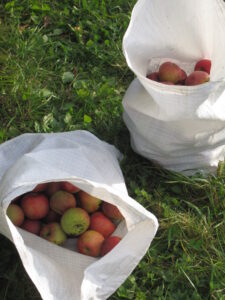
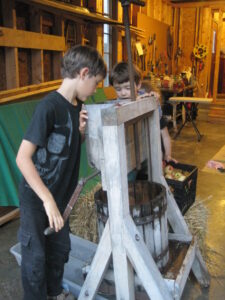
Where I live in Vermont apples are ready to pick late August up through to October with the full harvest peaking in September. Picking apples is a sweet, memorable activity and one I did often with my own children. Pressing picked or store-bought apples into cider is one way to soak up the last of the growing season with a fun activity that is a practical as well. A way to engage everyone in the family or community and maybe even send everyone home with a jar of homemade apple cider to make apple cider kefir with 🙂
Apple Cider Kefir is a probiotic beverage that is known to help heal digestive issues (i.e., bloating, flatulence, etc.) because the live probiotic strains in this kefir are specific to promoting gut health and balancing the inner ecosystem.
If you are new to probiotic beverages then I recommend that you start small with a tablespoon, sometimes even a teaspoon, sized-serving. Either way, slowly work up to a therapeutic dose of half-cup per day. This step-by-step approach can help the body better acclimate to the common changes that can occur when first beginning live probiotics like Saccharomyces boulardii, Lactobacillus plantarum, and Lactobacillus casei. Slow and easy. Like a turtle. Try a small amount for 2-3 days. If no bothersome symptoms occur then increase a bit more and wait again for another 2-3 days before increasing.
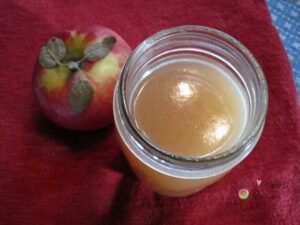
Probiotic-Rich Apple Cider Kefir: Recipe
2 cups homemade or storebought apple cider*, like North Coast Apple Cider.
1 packet of kefir starter probiotic strains
1 pint-sized Mason jar with a well-fitted sealing lid
- Sterilize jar and lid by immersing in boiling water OR spray down with food-grade hydrogen peroxide.
- Warm cider in small pot on stove until 92 degrees (skin temperature will show as a drop on your wrist will not feel like anything at all).
- Pour warm cider into the jar.
- Mix foil packet of kefir starter in cider; put clean lid on.
- Ferment at 72-75 degrees F for 18-24 hrs. until slightly fizzy and pressure has built up under lid (our incubator kit is designed to keep jars at a consistent temperature).
- Store in fridge, up to 2-4 days depending how sweet the cider is.
- Enjoy anywhere from a teaspoon to a 1/2 cup each morning when your stomach is empty.
- Feed kefir every couple days with fresh juice and/or a scoop of EcoBloom to give the probiotics living in this kefir natural sugars to feed on so they grow faster (rather than grow slowly and potentially turn the kefir into alcohol).
Transfer Instructions for Starting a New Batch
To keep your apple cider kefir around longer than 2-3 days, feed it. Here’s how I do that for my family of 4. Each morning after I pour us each a small glass, I leave about 3 tablespoons in my pint-sized jar, top with more fresh cider, and leave on the kitchen counter for about 2 hours or so before putting in fridge. If you are the only one in the house drinking your apple juice kefir then you might want to replenish with the same amount of fresh un-kefired juice and put back into fridge because there is more juice kefir then fresh juice, so it’s going to kefir even in the fridge. Does that make sense? This is my system. You may come up with one that differs. Keep in mind, I only keep a pint of juice kefir going at once because that’s what I find manageable.
*This is the kefir starter I use because it contains strong strains of probiotics known to be able to travel safely to to the intestines without getting destroyed by antibiotics, fluoride, stomach acid, or chlorinated water. Once these probiotics successfully reach the gut in intact form they quickly go about making home in the intestines where they work to keep the person in whom they are living in/the host’s gut balanced. Lactobacillus bacteria and beneficial yeast strains in this starter are sturdy enough to make transfers possible.
**Apple cider is unfiltered, often unpasteurized, and more robust in flavor. Whilst apple juice is filtered, pasteurized, and sweeter with a longer shelf life.

Reference
Gates, D. (2010). The Body Ecology Diet. Bogart, GA: B.E.D. Publications
May all bellies be happy!
Disclaimer: This post may contain affiliate links for products I believe in and use on a regular basis. See more here. All content is for general information only, primarily educational in nature, and should not be treated as a substitute for the medical advice of your primary health-care practitioner that you, the reader, may require for any cause whatsoever, now or in future. Consult a primary practitioner regarding any health problem(s) you have and keep them informed to the opinions, ideas, and advice on this site that you find useful. Full disclaimer here. Email tara@happybellies.net for questions.
© Happy Bellies Therapeutic Nutrition blog posts are copyrighted. Do not repost my recipe or post to your blog, Facebook, or other website. Posting ingredients and sharing my photos is permitted with a link back to my site for full recipe/post.
