
Eat My What? (article in The Montpelier Bridge)
Tara Carpenter, PES.
Helping mothers feel balanced hormonally in Vermont, since 2011.
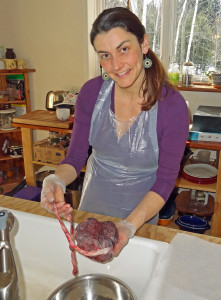
Written by The Montpelier Bridge February 7, 2013, News & Features on Tara Carpenter, Placenta Encapsulation Specialist.
Tara Carpenter is a Placenta Encapsulation Specialist (PES.) serving new mothers in Central Vermont since 2011. To learn more, visit my website at happybellies.net.
Each woman bounces back from birth in her own way, yet many have hormonal fluctuations during postpartum recovery, which is normal. Many women lose iron during birth. This loss of iron combined with hormonal dips leaves some moms feeling “off”.This iron/hormone dip can result in the mom feeling a lack of energy and fatigued, both of which are leading indicators of baby blues/postpartum depression (PPD). Placenta capsules contain hormones and iron in a natural, bio-available form the woman’s body recognizes as she herself made the placenta organ. Left untreated, PPD leaves some moms in a cycle of anxiety, and depression; maybe reliant on conventional treatment.
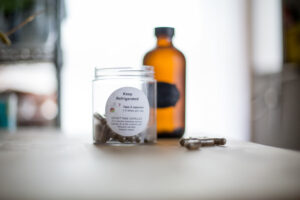
Placenta capsules are known to be a natural remedy that may support a woman’s after-birth recovery.
Taking placenta capsules has gained popularity and now recognized that the placenta is an amazing organ that nurtures life in the womb and can nourish the new mom after birth. Created by a woman’s own body, the placenta is a perfect match for her unique nutritional/hormonal needs.
The use of placenta is not new. It is documented medicinally and culturally for more than 1,000 years. When the placenta is reintroduced to the mom many report feeling balanced hormonally, energized (likely from iron in placenta tissue), at lower risk for the baby blues, with more breast milk, less insomnia, a tighter toned uterus, and a greater sense of well-being.
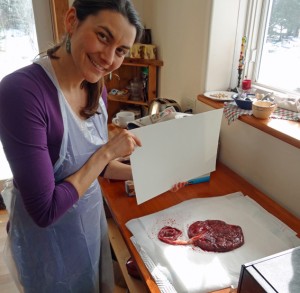
Placenta capsules are certainly more palatable than eating raw placenta in the form of a smoothie, lasagna, or the like, making them an option for moms who might not consider otherwise. Additionally, capsules allow mom to benefit from her placenta for weeks instead of days. Please hire a trained Placenta Encapsulationist who adheres to OSHA guidelines for safe handling and disinfection and uses the same sanitation procedures found in food service establishments; trained specialist that follows EPA guidelines for handling blood-borne pathogens and medical waste.
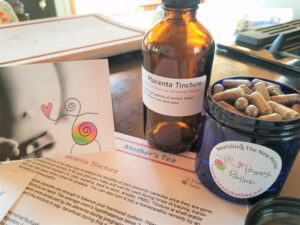
How a placenta is encapsulated ….
Currently, there is no law that allows an Encapsulator to encapsulate a placenta in their own personal kitchen. This is why the encapsulation must happen at the new mom’s home. Encapsulation is done in 72 hrs. of birth to preserve hormones and nutrients (or client can freeze to encapsulate later). The Placenta Encapsulationist brings the necessary equipment and is mindful of the family’s privacy as she works quietly in the kitchen.
You receive capsules with mother’s tea/tincture. Some specialists, like Tara, offer placenta prints as a memory keepsake. The dehydration process preserves the placenta and allows mother to reap benefits long term. There are testimonials of women who have used placenta to aid in stressful times months after birth and into menopausal years.
Email tara@happybellies.net for booking and inquiries.
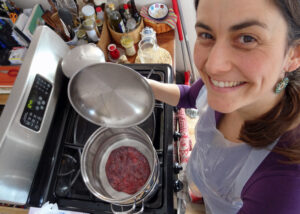
Channel 3 MiVT: Placenta Encapsulation for new mothers in Vermont
Disclaimer: Benefits of placenta encapsulation are supported by ongoing research. However, statements on this website aren't evaluated by FDA and products from these services aren't intended to diagnose, treat, cure, or prevent disease. Please make your decision in regards to consuming your placenta with a licensed medical practitioner. Tara Carpenter, CPES. is a Certified Placenta Encapsulation Specialist and not a doctor, holistic practitioner, pharmaceutical representative, or herbalist. Women who utilize this service take full responsibility for using placenta capsules at own risk.
